
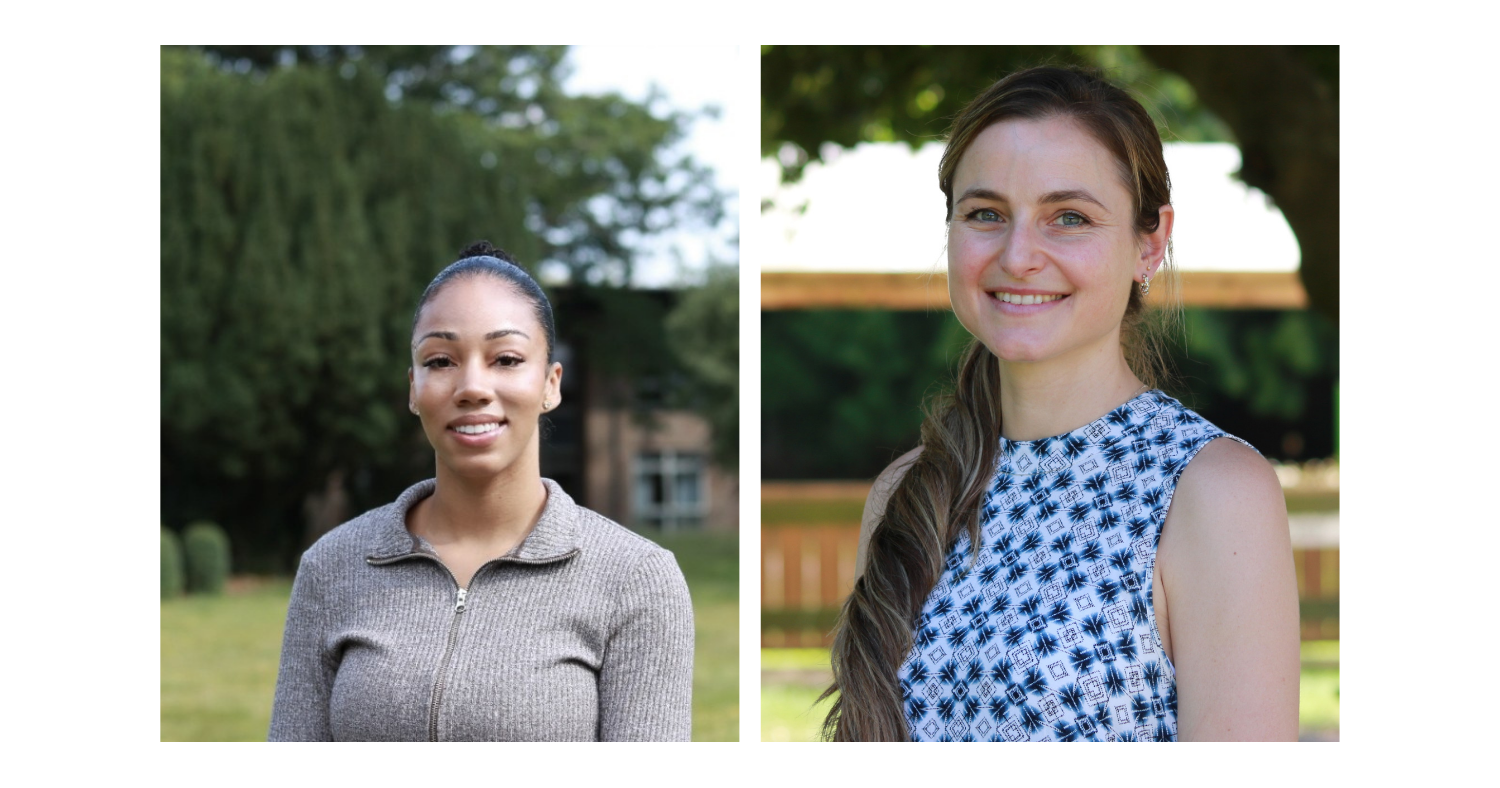
Ruth Moys and Savannah Salsone from The Children’s Trust Community Rehabilitation Service in Surrey share their top tips on how to support children with acquired brain injury to continue their rehabilitation when they return home.
These principles can be applied to most conditions, ages and therapies. However, the common theme of the guidance is to make therapy meaningful to each individual.
Setting goals
Setting goals is one of the biggest steps towards progress. It brings clarity and motivation, sharpening focus on the task and providing a meaningful target to work toward.
These goals should be child/family-centred, meaningful to the individual and participation-focused rather than impairment-focused.
The process of discussing and defining goals also enables the therapist to understand the details behind the activity and what it means to the child, thereby directing the therapeutic approach, such as making environmental adaptations or developing skills and independence.
Examples: Improving grip strength vs being able to hold a gaming controller, or improving sitting tolerance vs sitting on the sofa with mum to watch a film.
Communication and collaboration
Effective paediatric neurorehabilitation requires a team-based approach involving multiple health professionals, therapists, teachers and volunteers. The child and family are central to the team and should be viewed as experts in their own experience.
While having multiple people involved allows for a holistic understanding of the child’s needs, it also demands strong communication and collaboration. An interdisciplinary model ensures that everyone works toward shared goals, supports carry‑over across different environments and ultimately enhances progress.
Examples: A physio working on walking, an OT working on bimanual skills and a SLT working on word-finding difficulties vs everyone working towards a family’s goal of going out for lunch (walking to the restaurant, ordering food and eating with a knife and fork).
Make it fun
Therapy is hard work! Making it fun boosts motivation, not just for children but for people of all ages. Enjoyment can also distract from the challenge, meaning an individual is more willing to participate, able to continue for longer and more inclined to keep trying when things are difficult.
Fun can be brought into therapy in numerous ways, such as through play, humour or competition. Another element of fun is pitching activities at the “just right” challenge – if it is too easy, it can be boring, and if it is too difficult, it can be overwhelming. But when it is just right, the child is motivated to take part and will be rewarded by their success.
Examples: Repetition/ timed wall squats vs seeing who can hold a wall squat for longer; and practicing reach and grasp vs playing a card game.
Functional activities
Using functional activities, rather than impairment-based exercises, enables the child and therapist to work on the whole activity rather than individual skills within it, making therapy more meaningful and relevant.
It also means that therapy can be integrated into daily life more easily as the child practices skills as part of existing routines, rather than having to allocate time for specific therapy activities/exercises. This provides opportunities to increase dosage outside of therapy sessions and within families’ busy schedules.
Examples: Practicing posting buttons into a piggy bank vs doing up the buttons on their coat.
Therapy in context
While inpatient/clinic-based treatment and therapy have an important role in rehabilitation, there are major benefits to doing therapy in context. Opportunities for practicing skills in real-life situations enables the child and therapist to identify challenges and barriers and make appropriate changes accordingly.
When a child is supported to participate in real-life, they then have the opportunity to continue practicing skills in a natural way, away from therapy sessions.
Examples: Practicing cutlery skills in clinic vs participating during mealtimes at home, or gait training in clinic vs walking to the park to meet friends.
Power of coaching
Coaching is one of the most useful approaches in our therapy toolkit. Whether this is done directly with the child or with the adults who support them, it can empower them with problem-solving skills and the ability to find their own, unique solutions to the challenges they face or the goals they want to achieve.
This often helps children take ownership of their rehabilitation, gives them the tools and confidence to try new different things and transfer their learnings and skills to other activities and contexts.
Examples: Teaching a child a method of putting on their socks using backwards chaining vs using cognitive strategies such as Goal-Plan-Do-Check to help a child find their own way to put their socks on (and then be able to use these cognitive strategies to learn how to put on their shoes).
Occupational Therapist Ruth Moys and Physiotherapist Savannah Salsone will deliver a session on paediatric neuro rehab at Naidex Roadshow South this September.