
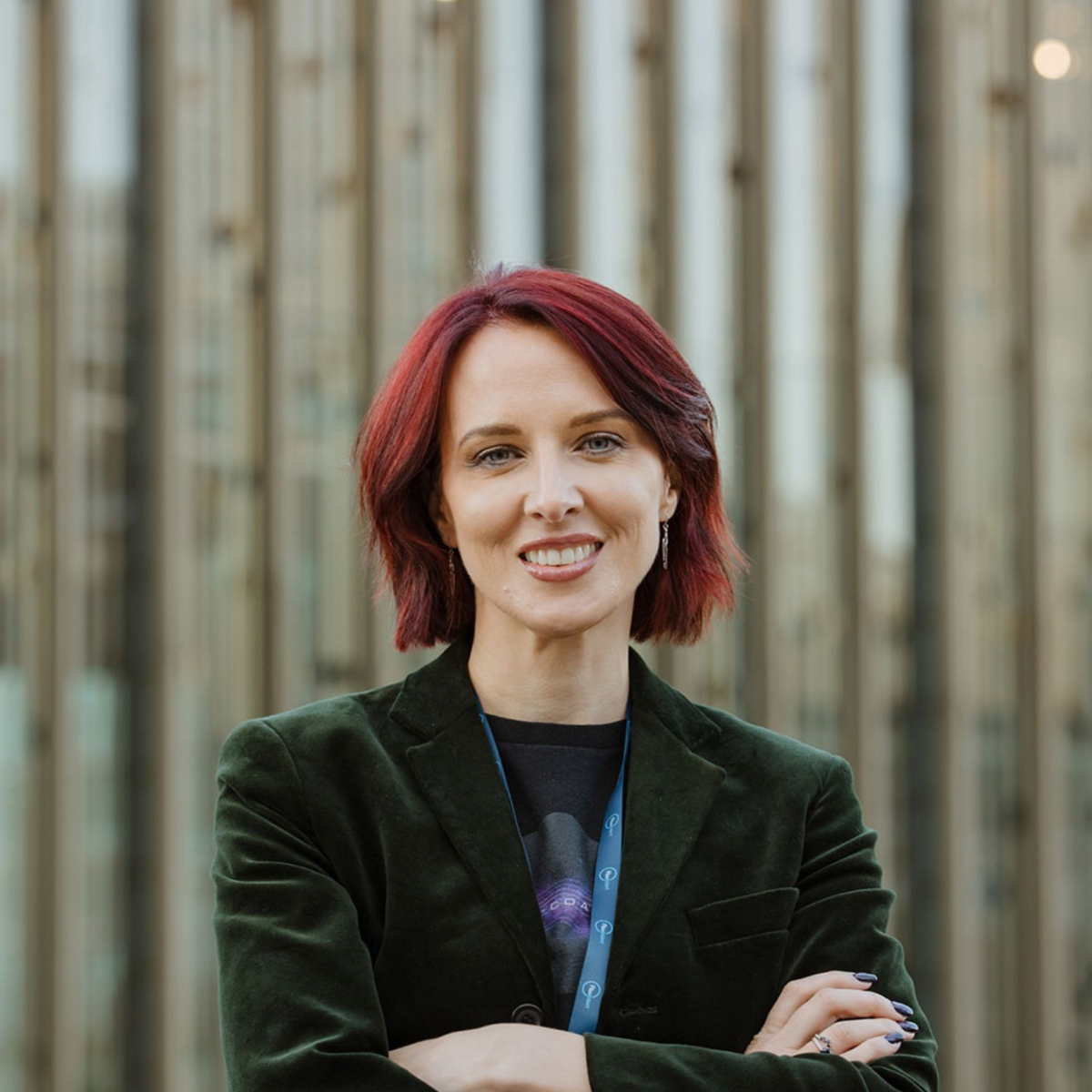
By Stephanie Clarke, Lead Occupational Therapist and Founder of Multi-Coached, a provider of integrated and holistic services for children, families, schools and health professionals, helping bridge the gap between Occupational Therapy wait times, assessment and intervention.
Allied health services across the globe are facing a growing crisis of waitlists and unmet need. Both Australia and the United Kingdom are experiencing increasing demand for services with an ever-growing decrease in supply, resulting in gaps in access to timely developmental support for children. The gaps are continuing to widen.
Clinicians continue to work within systems originally designed for smaller populations and very different childhood experiences. Previous generations of children spent more time outdoors, developed gross motor skills through play, and built social and emotional resilience through unstructured peer interaction. In contrast, many children today have reduced access to natural play environments, increased screen time, and fewer opportunities for independent social engagement. As a result, skills that once developed naturally are now often requiring explicit teaching and therapeutic support.
Traditional face-to-face therapy remains essential for many cohorts and conditions. However, the scale of unmet need and inequity of access suggests that existing models alone can no longer meet current demand. The question for the profession is no longer whether it will evolve, but whether it can do so while maintaining strong clinical integrity.
The problem
Having trained and worked in both the United Kingdom and Australia, waiting lists for children’s allied health services are growing rather than shrinking. Access to consistent, high-quality intervention is not equal, and for many families weekly therapy remains a luxury rather than standard care. In the UK it is not uncommon for services to be divided into one service for fine motor and one for sensory- which is in direct opposition to how occupational therapists are trained- we are holistic and look at the whole person. The irony being if you access one service you may not access another in parallel despite the needs of the child. Rarely do we see one issue in isolation from another; a child’s needs are interconnected.
For those who do access services, progress often depends on what happens between sessions. Children require repeated practice across environments for meaningful skill acquisition. Neuroscience consistently shows that learning occurs through repetition within real-life contexts. However, many families may only see a therapist once every four to six weeks and are then expected to implement home programmes independently.
In reality, this often involves a written report or printed activity sheet with suggested strategies. By the time the next appointment arrives, the paper may be misplaced and little progress has been made. Without ongoing prompting, review, and support, carryover into daily routines becomes inconsistent and difficult to sustain.
Functional progress therefore relies heavily on parents and carers being able to embed strategies into everyday life without structured guidance. While families are willing, many are overwhelmed and unsure where to begin. This gap between therapy sessions and daily life is where progress is most often lost.
Introducing the hybrid model
Parents and caregivers require guidance and support to enable consistent practice between therapy sessions. This is where hybrid models of care offer a meaningful solution. By combining direct therapy with structured digital supports that can be accessed anywhere, clinicians are able to extend therapeutic input beyond the session itself.
Digital platforms and emerging artificial intelligence tools can now generate personalised plans quickly and efficiently, enabling families to access structured strategies between appointments. Importantly, the educational role of the clinician remains central. Therapists continue to guide families in how and why to implement strategies within everyday routines.
Hybrid approaches extend therapeutic impact into daily environments while maintaining motivation and engagement for children and young people. They recognise that meaningful occupational change occurs not only within therapy sessions, but across homes, schools, and communities. When support is available between appointments, therapy becomes more consistent, functional, and effective.
Real world outcomes
Allied health professionals have always focused on supporting independence safely, and participation in everyday life. When therapeutic strategies are embedded into daily routines and environments, outcomes become more sustainable and meaningful.
Hybrid models support a shift from isolated skill development toward functional participation. Rather than focusing solely on discrete therapy tasks, intervention becomes integrated into real-life activities such as morning routines, school participation, friendships, and community engagement. This approach increases opportunities for repetition, generalisation, and long-term success.
Professional identity and concerns
Some clinicians express understandable concern that digital supports may dilute the therapeutic relationship or reduce the perceived value of direct intervention. In practice, extending support between sessions can strengthen engagement and improve outcomes.
Within hybrid models, the therapist’s role evolves from session-based provider to facilitator of daily participation and independence. This shift aligns closely with core allied health values of function, context, equity, and empowerment. By increasing accessibility and continuity of care, hybrid approaches can support more equitable service delivery across diverse populations.
System sustainability
Workforce shortages across both the United Kingdom and Australia continue to contribute to reduced access to early intervention and allied health services. Waiting periods of up to two years for assessment are not uncommon. While clinicians remain central to assessment, clinical reasoning, and intervention planning, digital tools and artificial intelligence are increasingly supporting efficiency and reducing administrative burden.
When used ethically and appropriately, these tools can support productivity, reduce paperwork, and enable clinicians to move through waiting lists more effectively. Early health economic modelling suggests that hybrid approaches may reduce long-term costs per child through earlier intervention and improved continuity of care.
The profession will inevitably continue to evolve in response to demand. Hybrid models offer an opportunity to enhance rather than replace traditional therapy. By combining clinical expertise with innovative delivery methods, allied health can respond to increasing need while maintaining its core values of participation, function, and person-centred care.
The aim is not to replace traditional one-to-one therapy, but to enhance its reach through thoughtful innovation and collaboration anchored in our clinical foundations.
The future of allied health is not solely digital, nor solely face to face. It is thoughtfully hybrid.